
At some point in the year before kindergarten, almost every parent opens a browser and types some version of this question. What should my kid know by now? Am I doing enough? Are they behind?
First: take a breath. Kids develop at different rates and kindergarten teachers are trained to meet children where they are. That said, there are some skills and concepts that tend to make the transition smoother, and most of them are things you can support at home without turning your living room into a classroom.
Literacy and language
By age 4 to 5, most kids heading into kindergarten can:
- Recognize some or most letters of the alphabet, especially the ones in their name
- Understand that letters make sounds and sounds make words
- Follow a two or three step direction
- Retell a simple story or describe what happened in a book
- Speak in full sentences and be understood by people outside the family
Math and reasoning
- Count to 10 or beyond, ideally with one-to-one correspondence (touching each object as they count)
- Recognize basic shapes and colors
- Sort objects by size, color, or type
- Understand concepts like more, less, bigger, and smaller
Fine motor skills
- Hold a pencil or crayon with some control
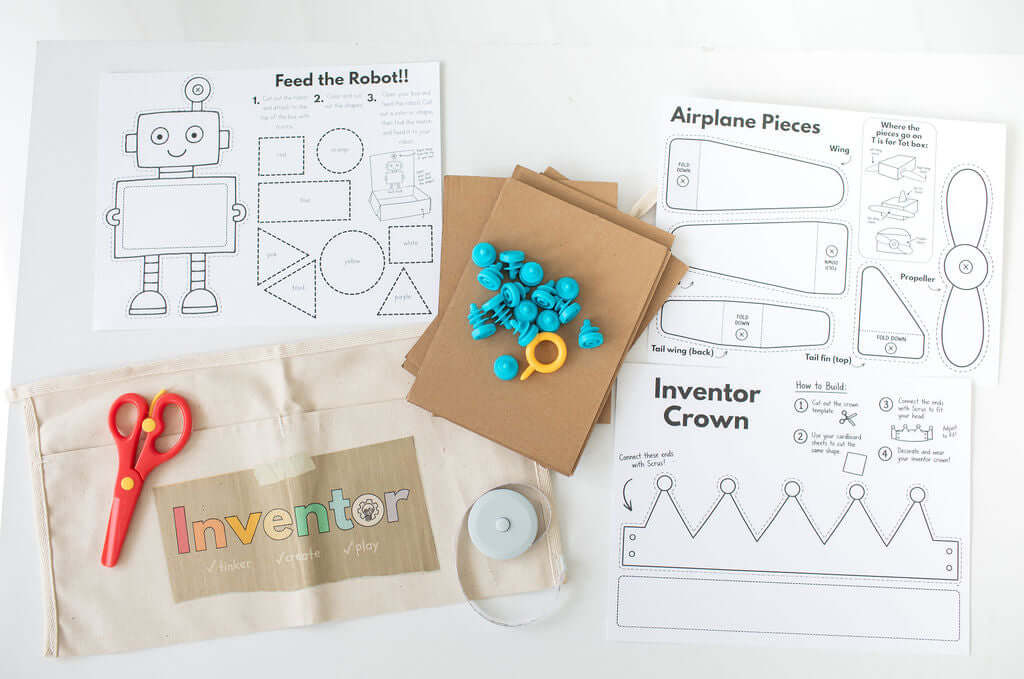
- Cut with scissors along a line
- Draw basic shapes and attempt to write their name
- Use utensils, buttons, and zippers with reasonable independence
Social and emotional readiness
This one matters just as much as academics, maybe more:
- Separate from a parent without major distress
- Take turns and share with other kids
- Follow classroom routines and basic rules
- Express needs and feelings with words
- Sit and focus on a task for at least 5 to 10 minutes
What if my child isn't there yet?
This list is a general guide, not a checklist your child has to pass. If there are areas where your child needs more practice, the best thing you can do is give them more opportunities to do those things in a low-pressure, playful way. Kids who practice writing through play, count real objects, and hear lots of stories are building exactly the foundation they need.
How to support kindergarten readiness at home
You don't need a formal curriculum to get your child ready. What you need is consistent, hands-on time with materials that build the right skills. Here are a few of our favorites for this age:
If alphabet recognition is where your child needs the most work, our Toddler and Preschool Alphabet Digital Curriculum A-Z Bundle walks through every letter in a structured, play-based way you can do at home. It's a full A to Z program designed specifically for this age, so you're not piecing things together from different sources.
For hands-on letter practice, our Alphabet Dry Erase Book and Marker is one of the most-used tools in our lineup. Kids can trace each letter, practice writing it, and wipe it clean to start again. No wasted paper, no frustration, just repetition that feels like play.
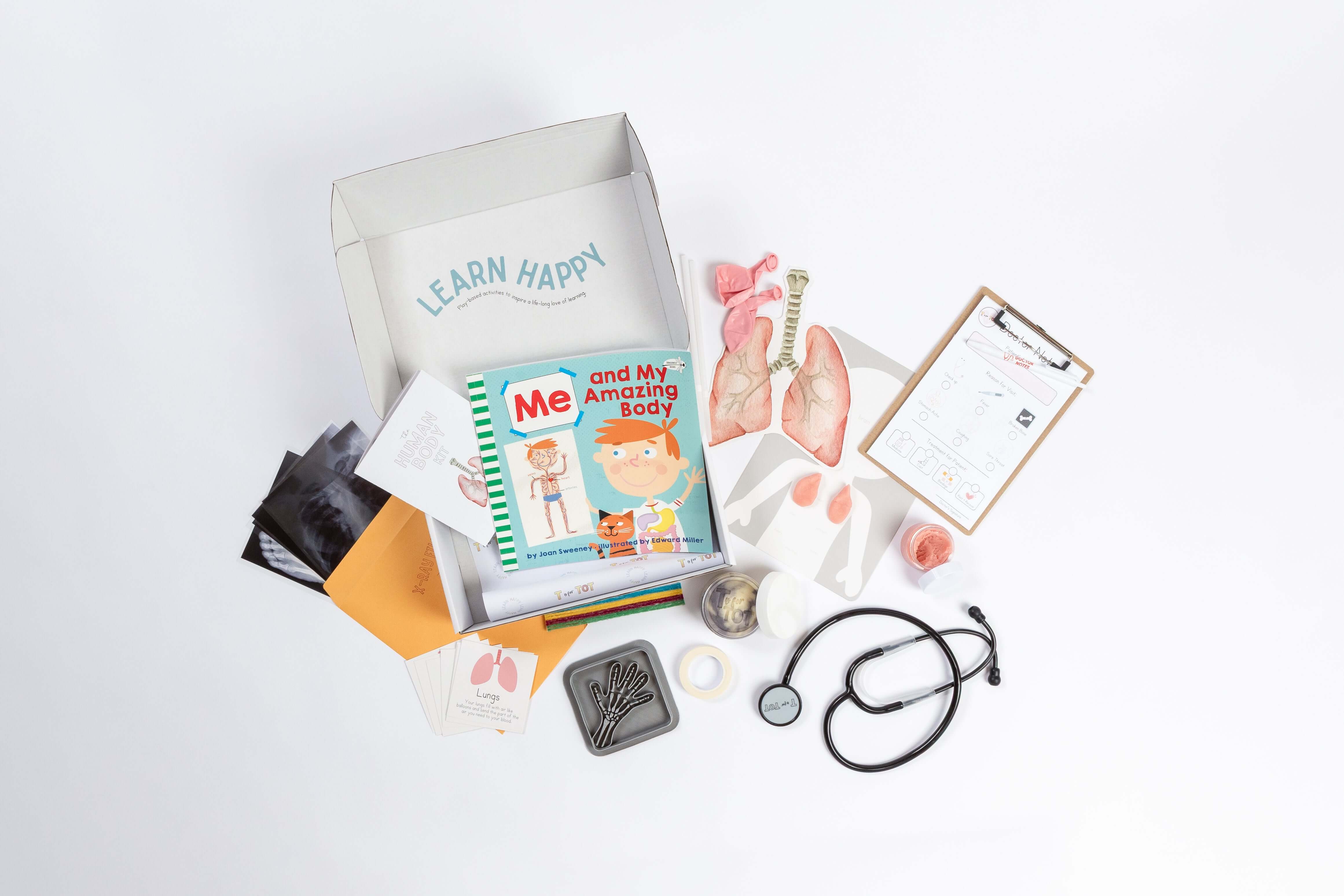
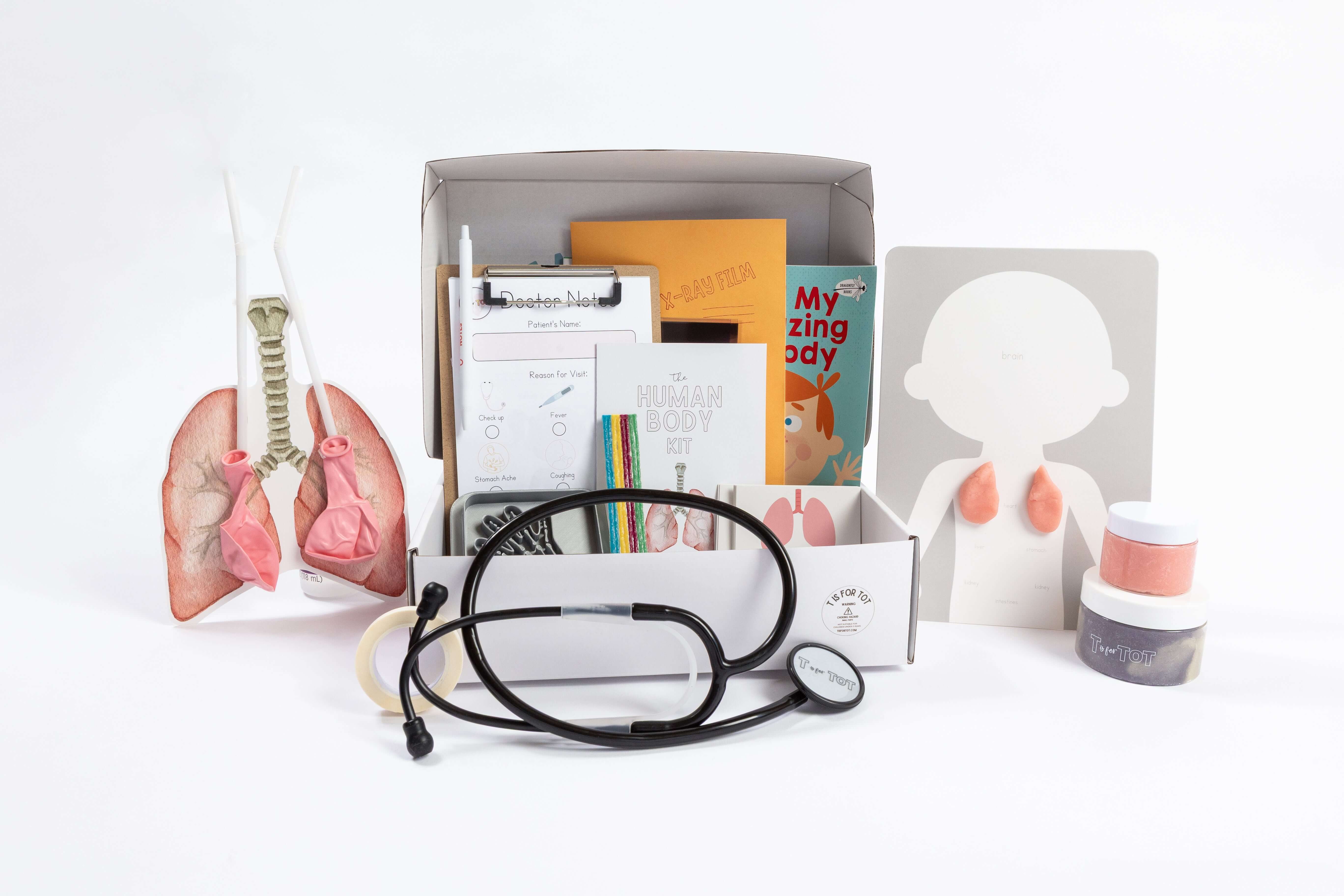
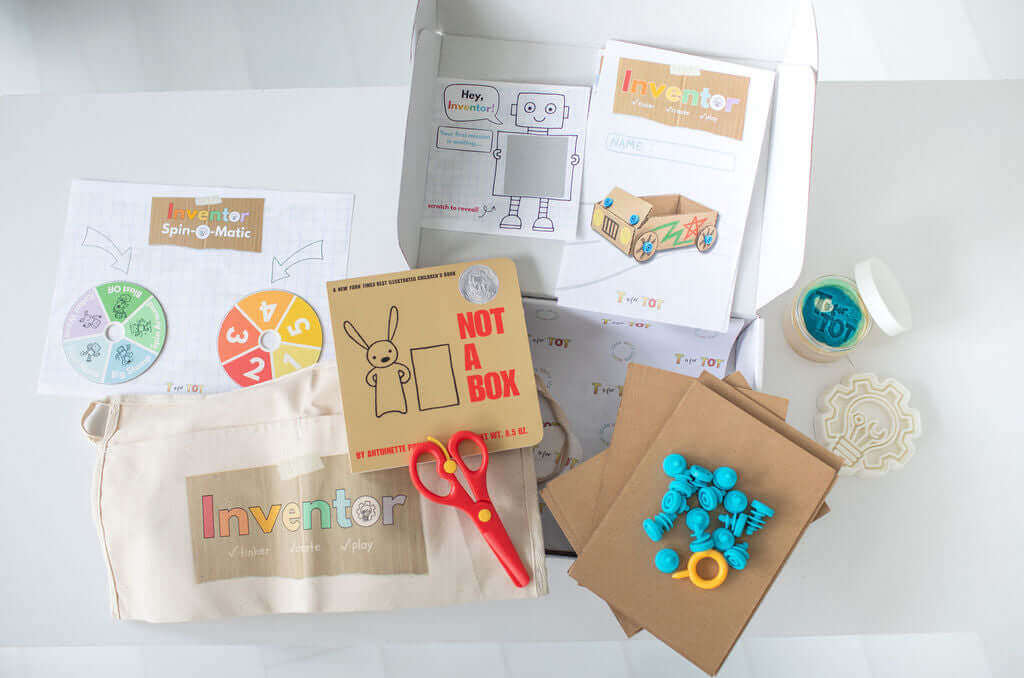
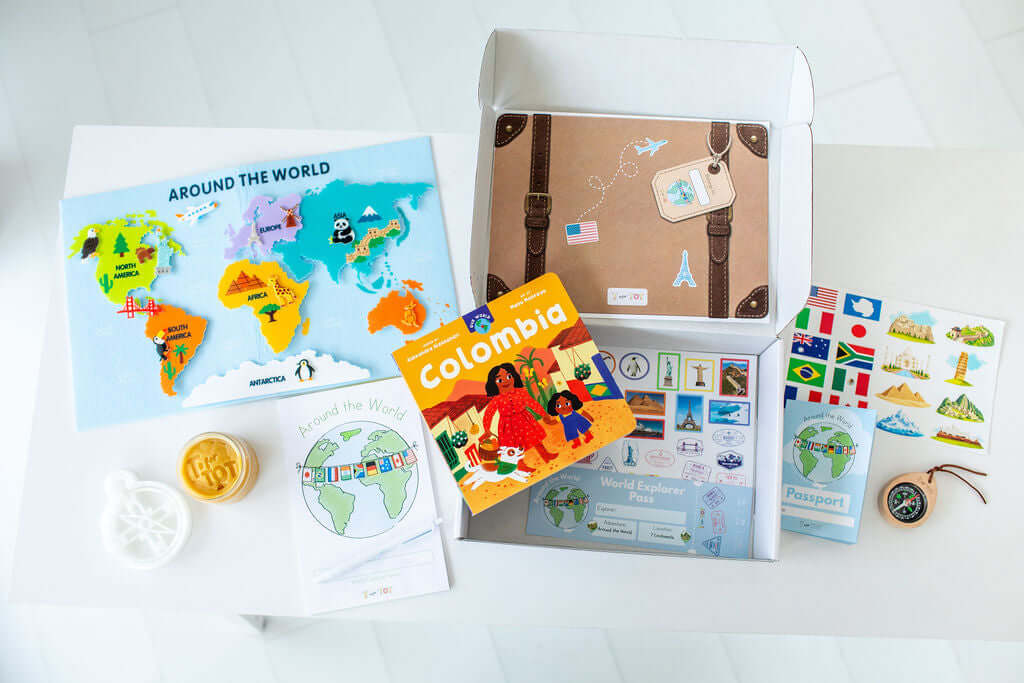
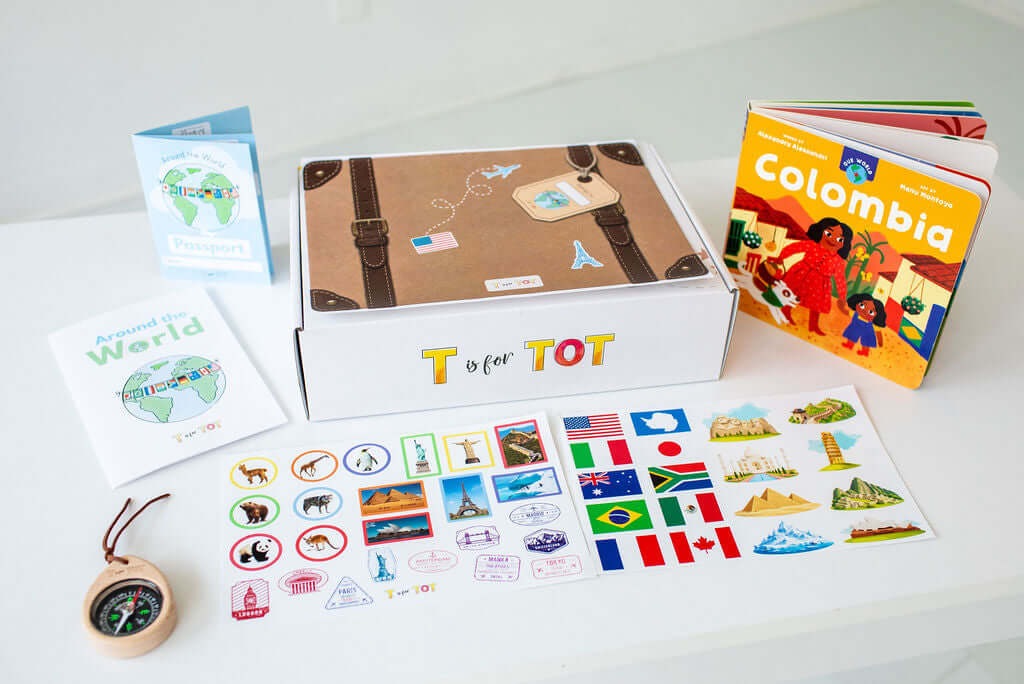
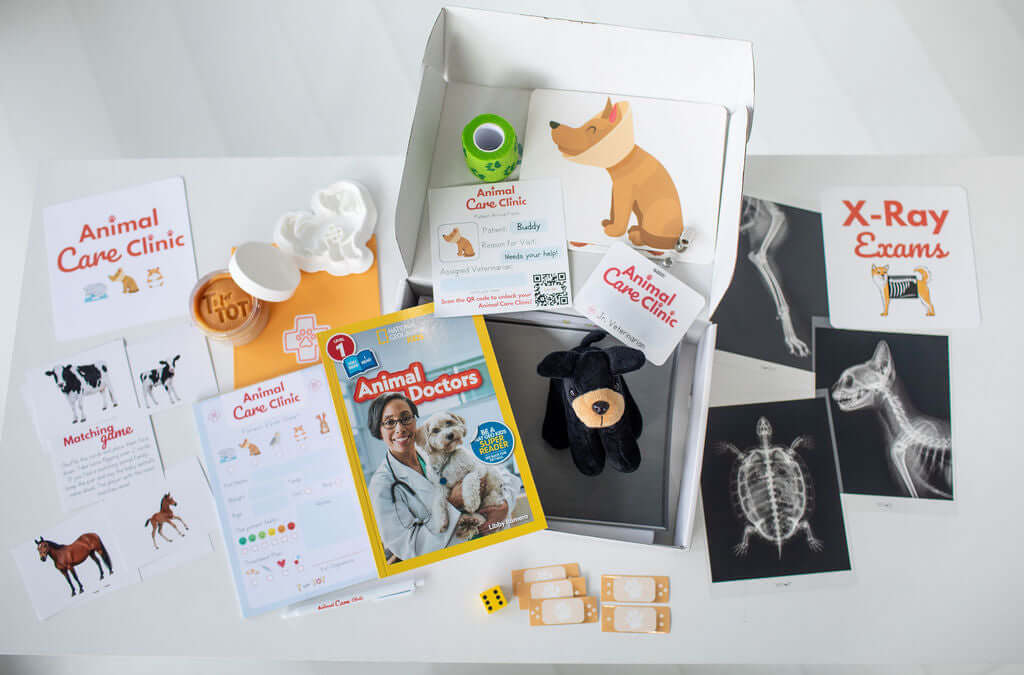
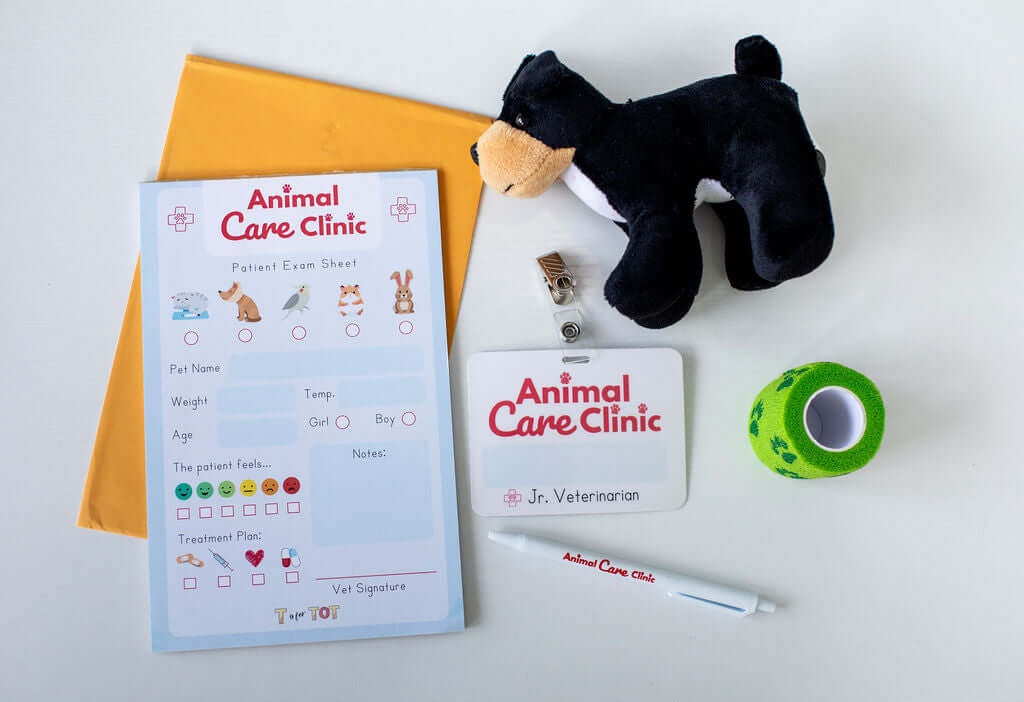
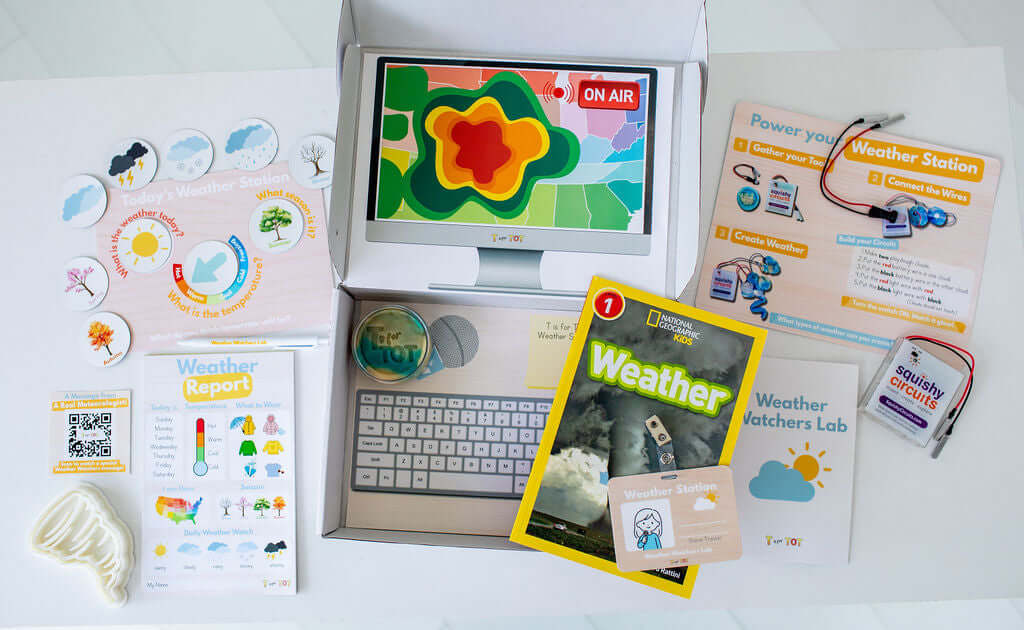
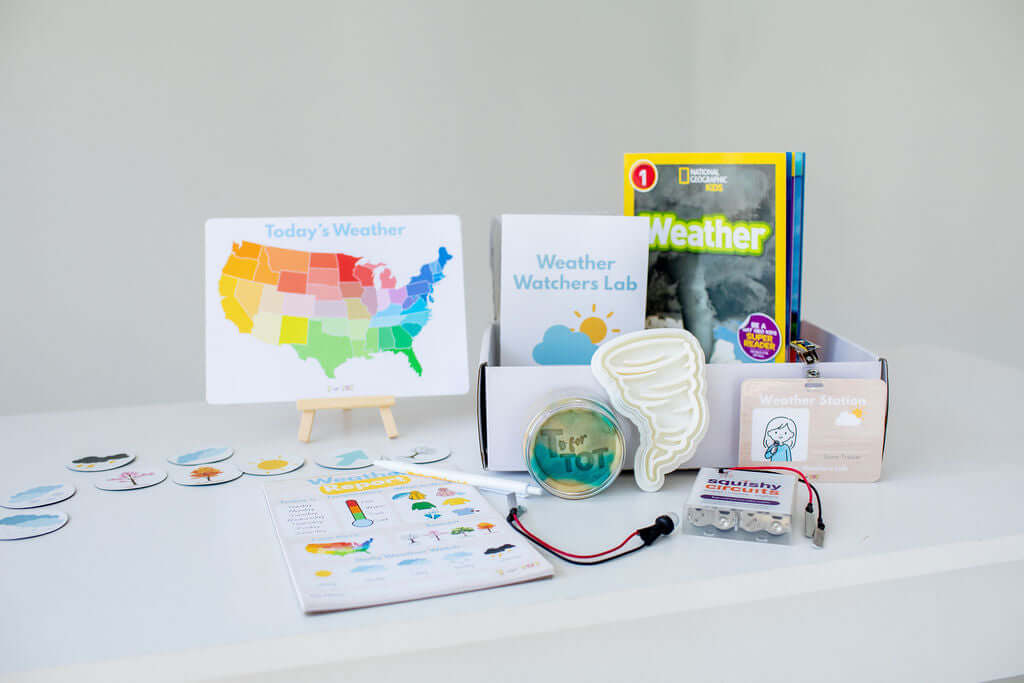
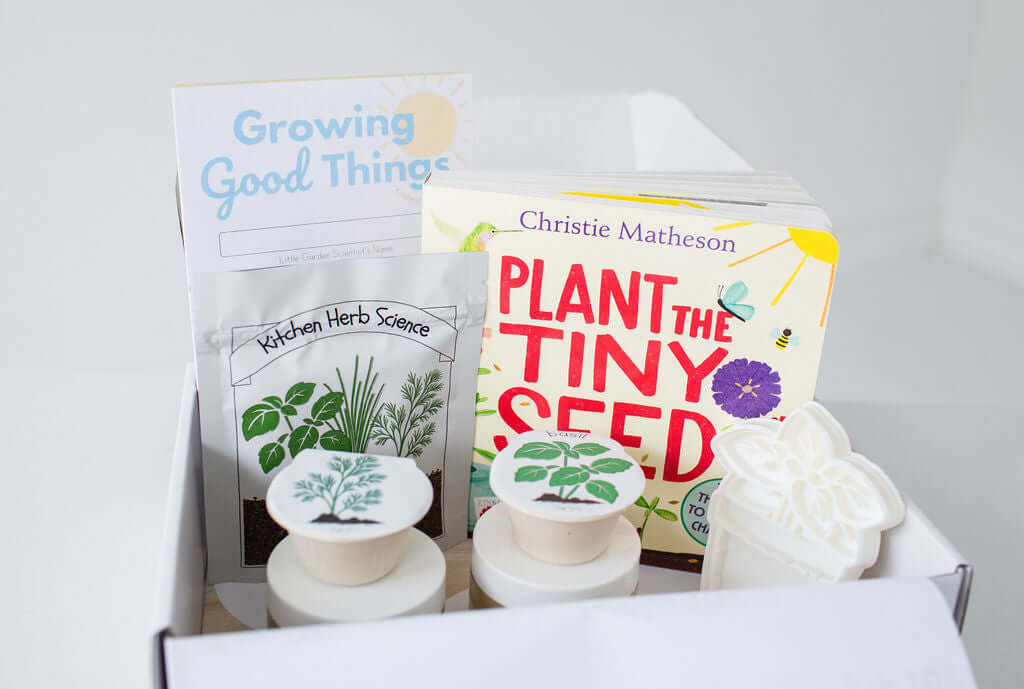
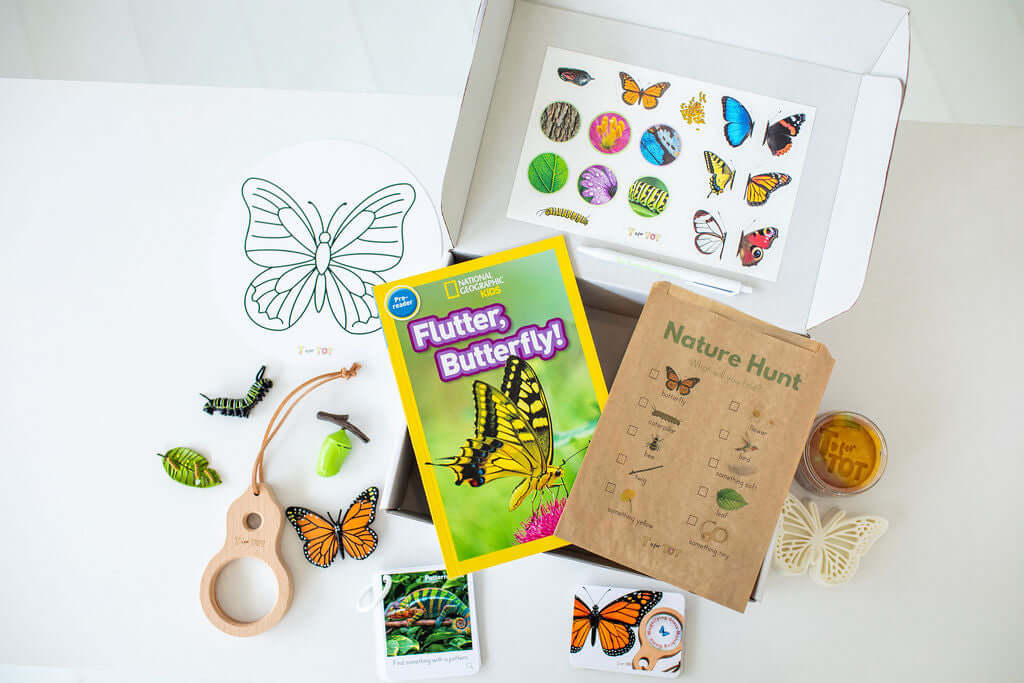
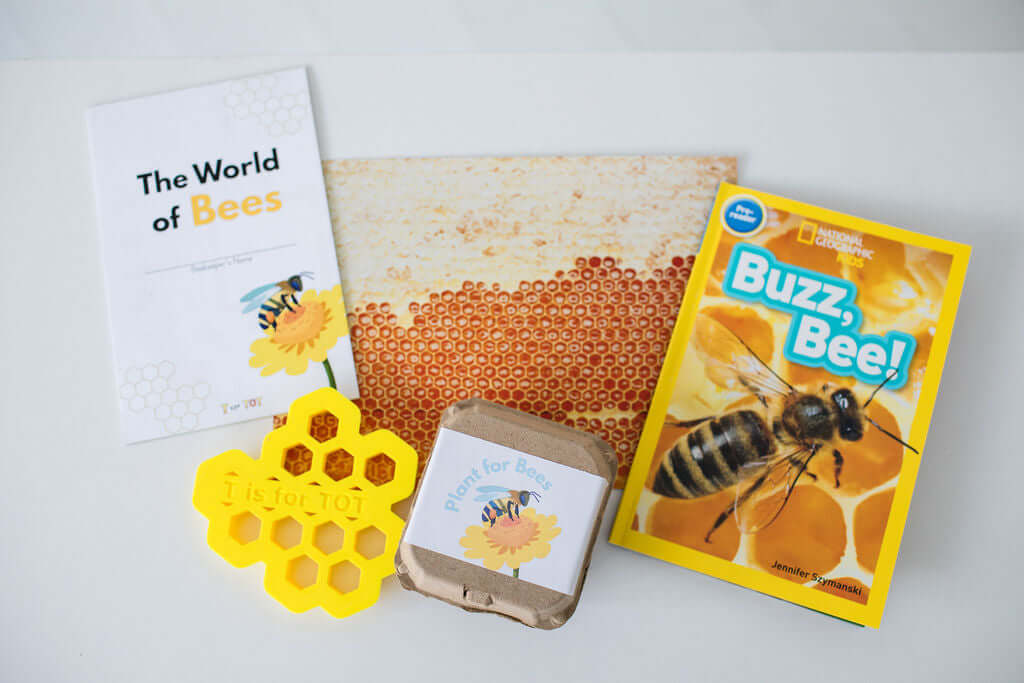
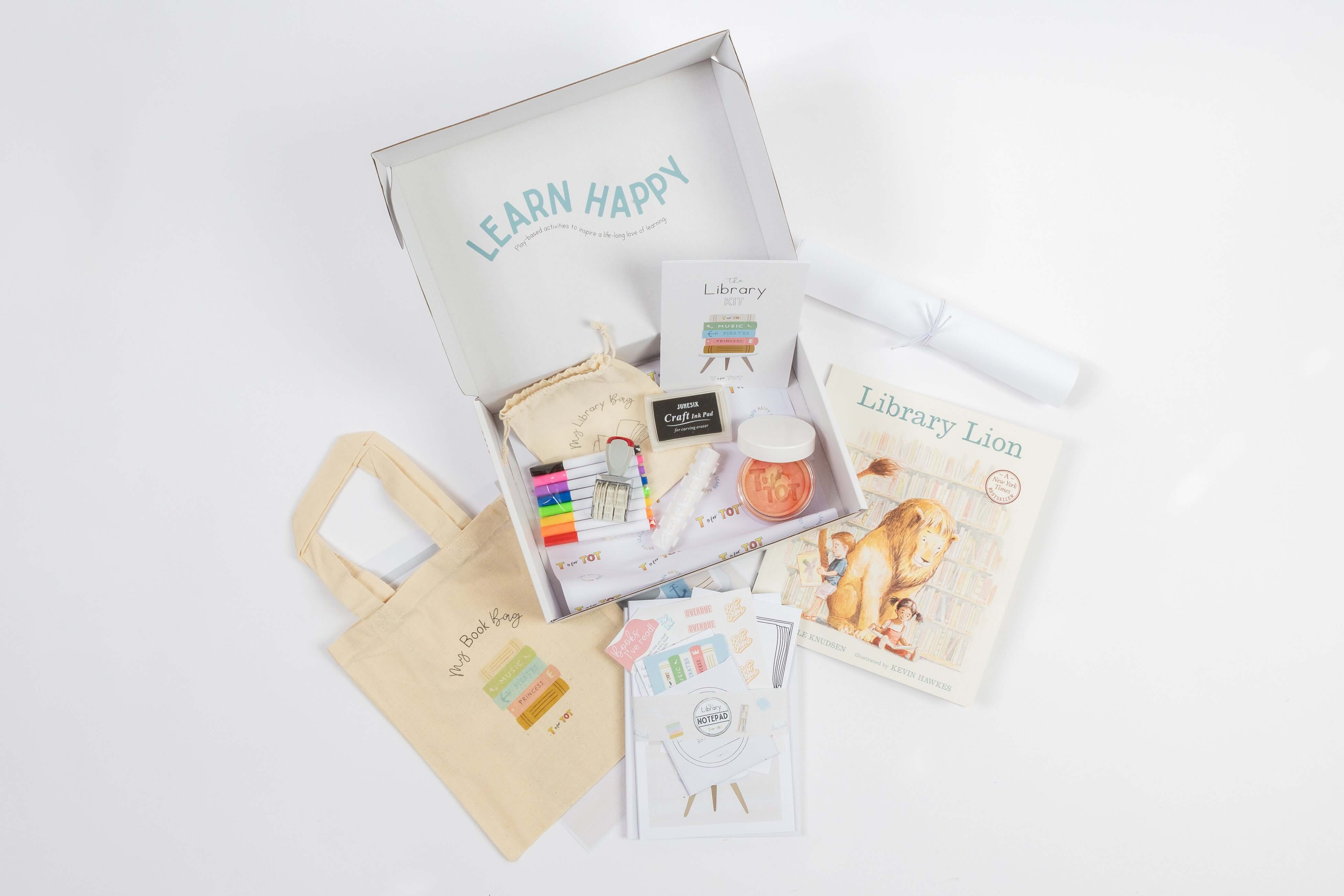
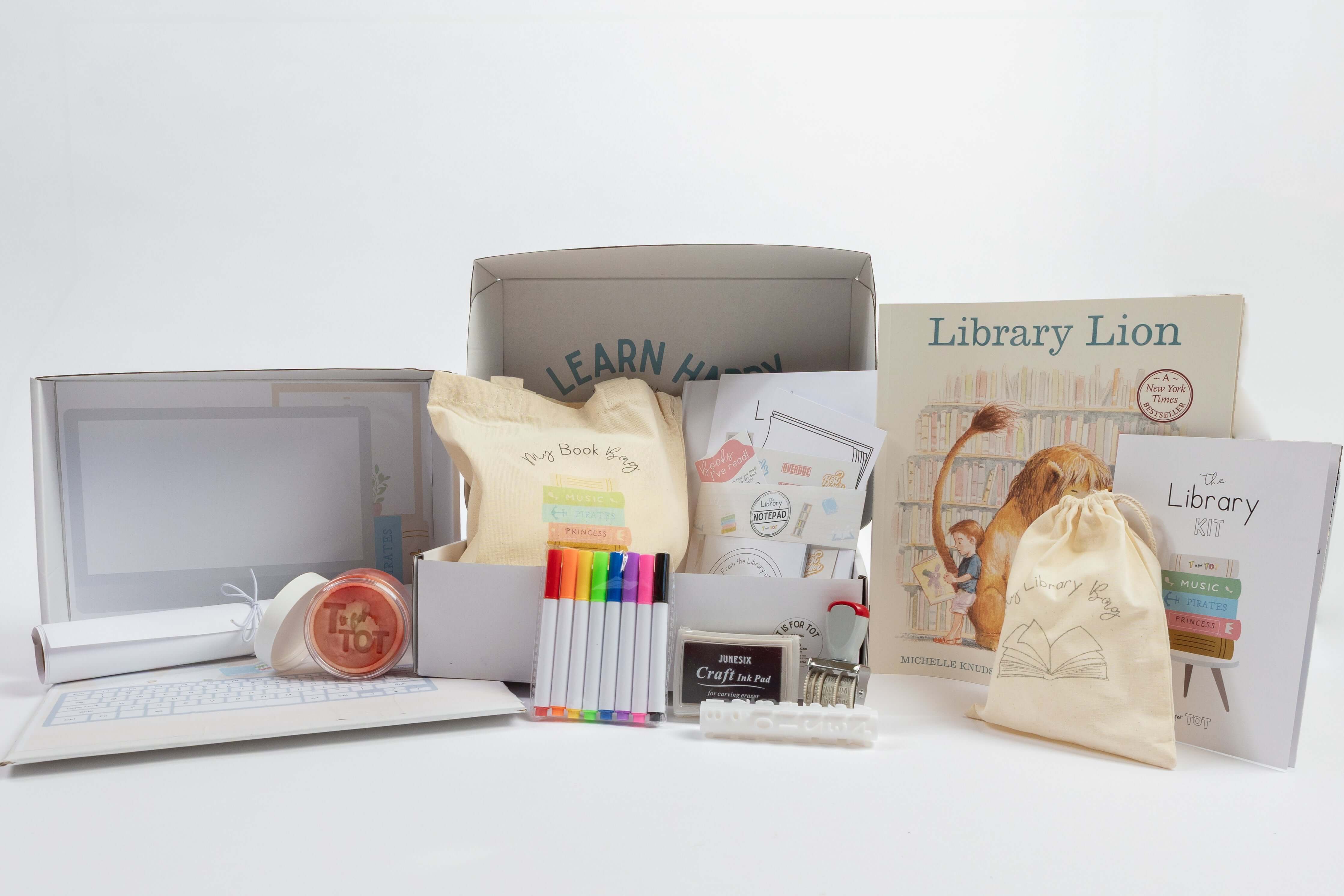
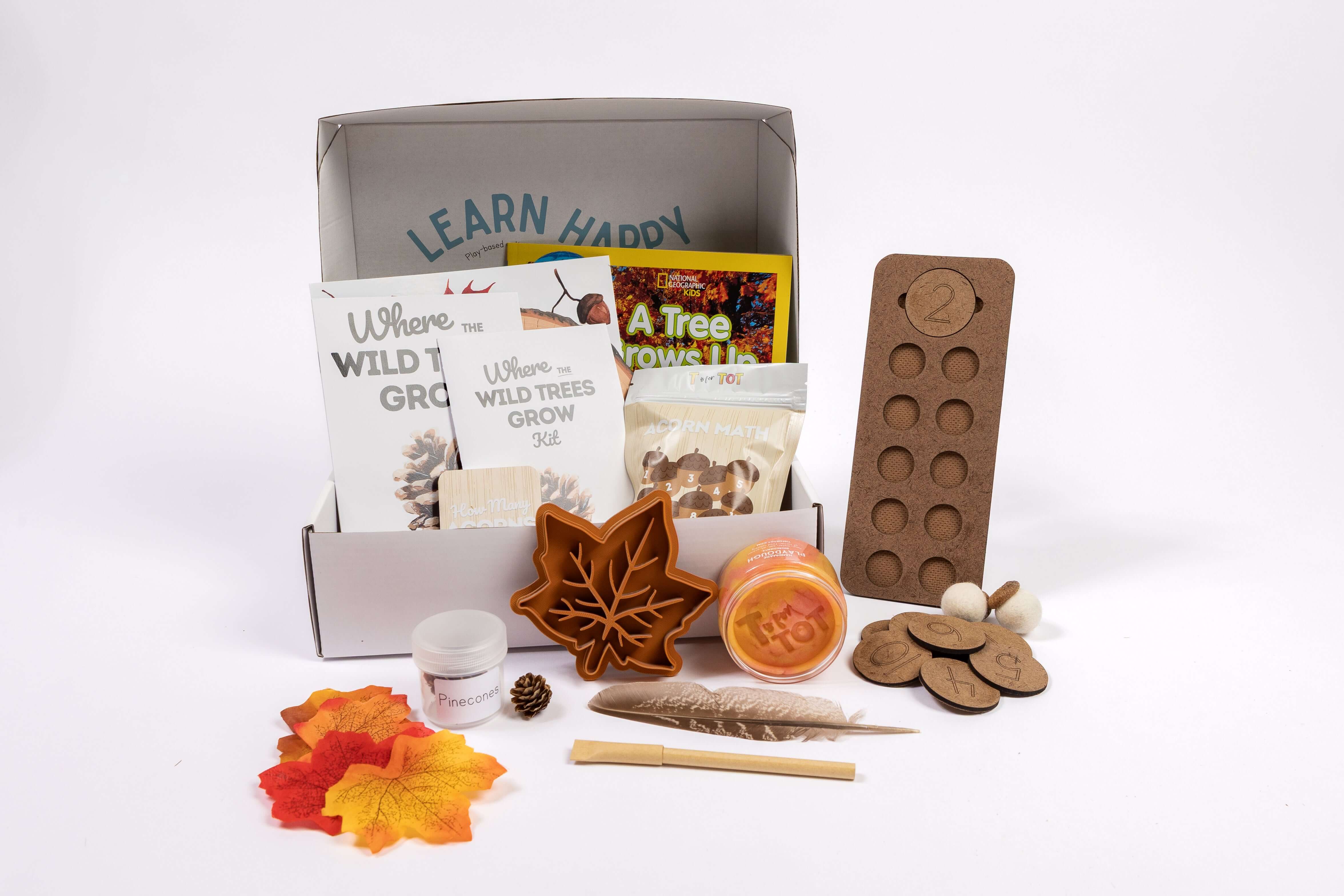
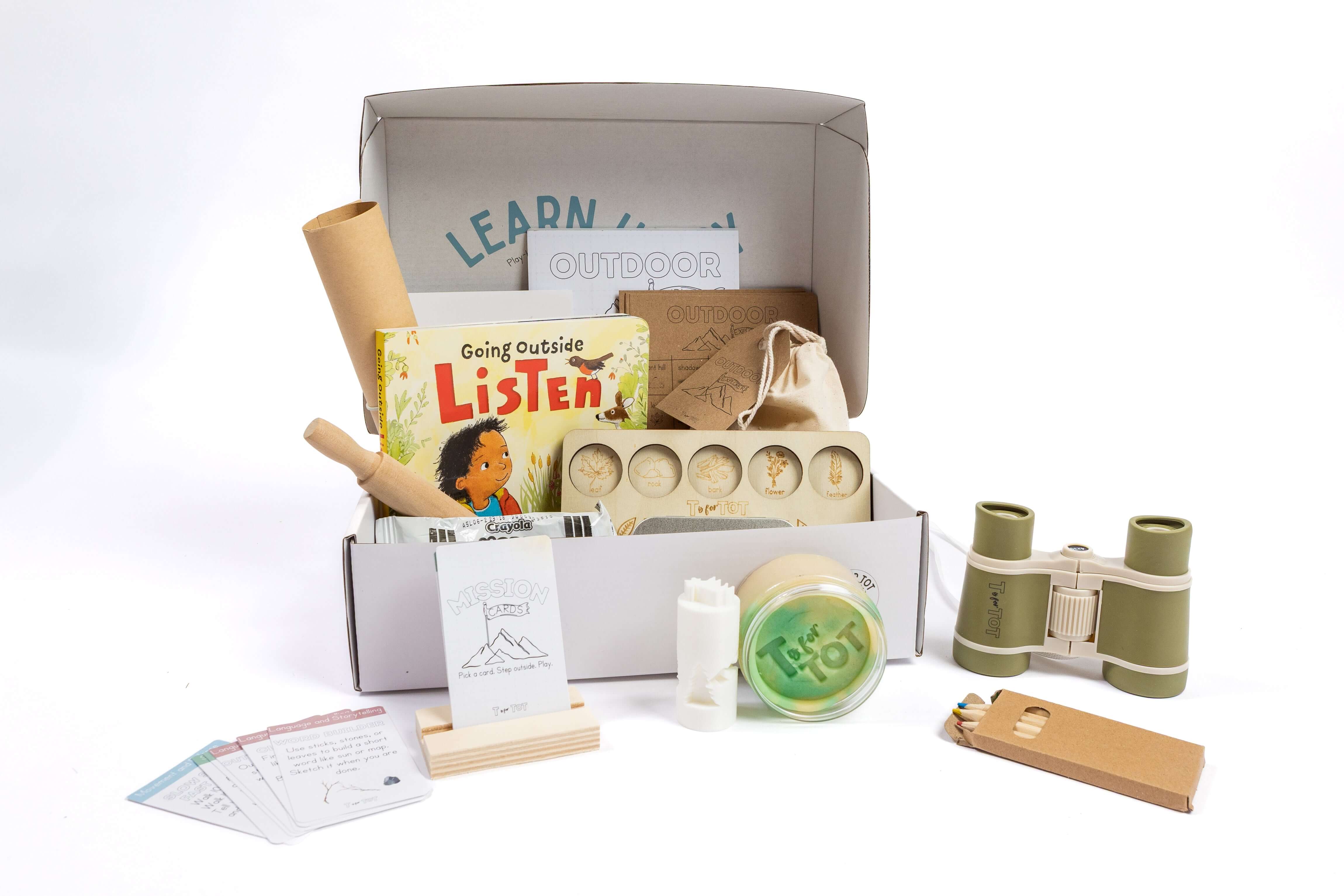
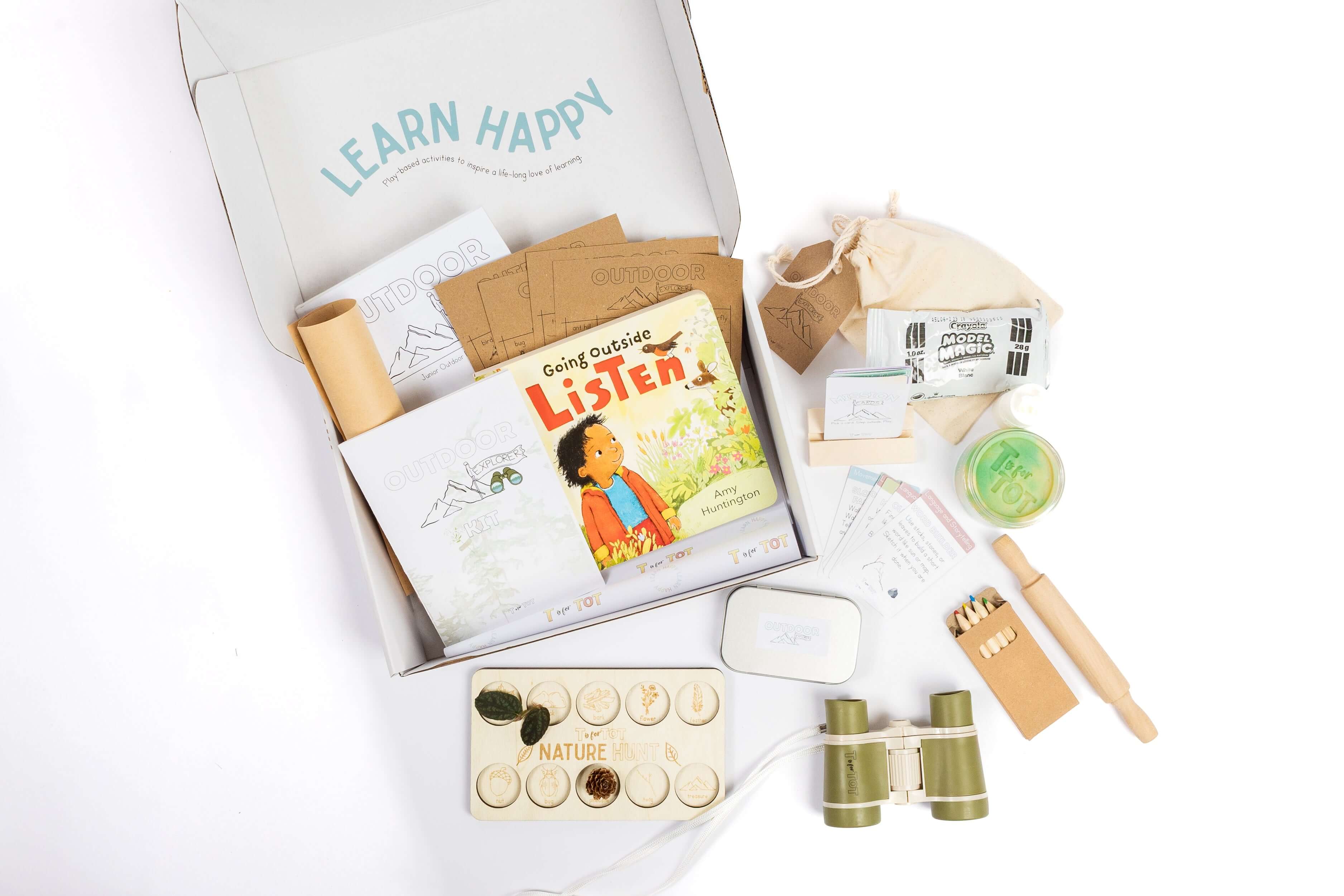
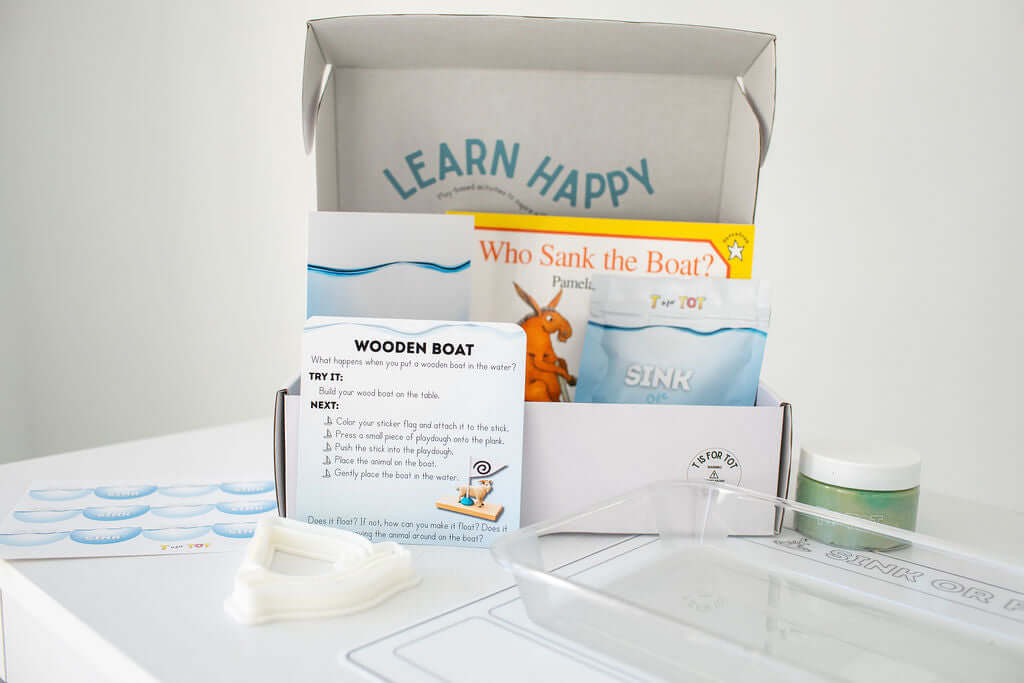
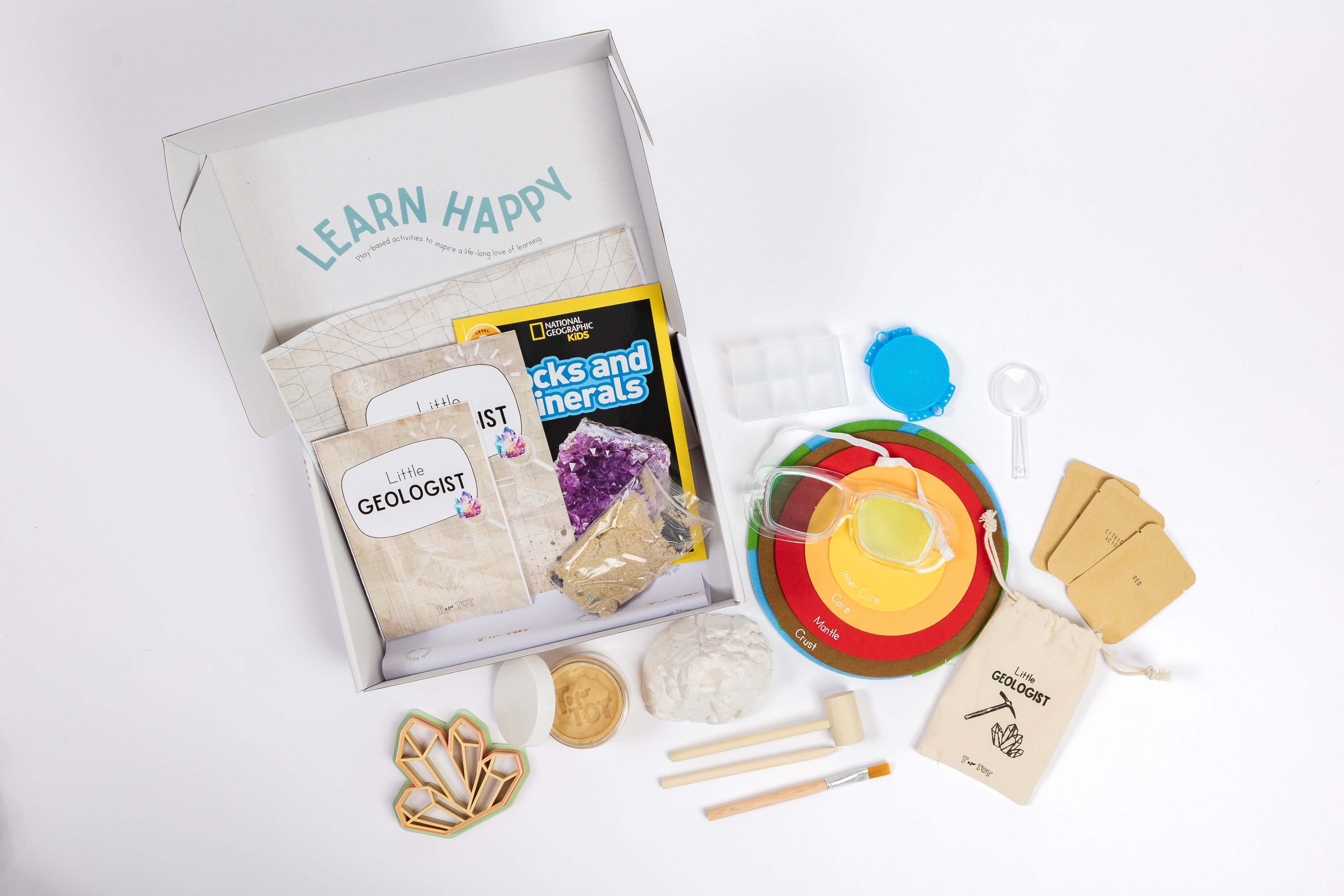
And for broader kindergarten readiness across literacy, science, fine motor skills, and early math, our Learn + Play Kit Monthly Subscription delivers a new themed hands-on kit each month, ready to use right out of the box.
They're more ready than you think. And so are you.