
Here's the thing about teaching little ones the alphabet: the more it feels like a lesson, the less it works. Kids this age aren't wired to sit and drill letters. But they will happily trace, match, sing, and play their way through A to Z if you set it up right.
Start with the letters that mean something to them
The very first letter most kids learn is the first letter of their own name. That's not a coincidence. Letters become meaningful when they connect to something personal. Start there. Point it out on signs, books, cereal boxes. Once they own that letter, the rest get easier.
Make it physical
Toddlers learn through their hands, not their ears. Tracing a letter is worth more than hearing it ten times. A few ways to bring letters into the body:
- Trace letters in a tray of sand or salt
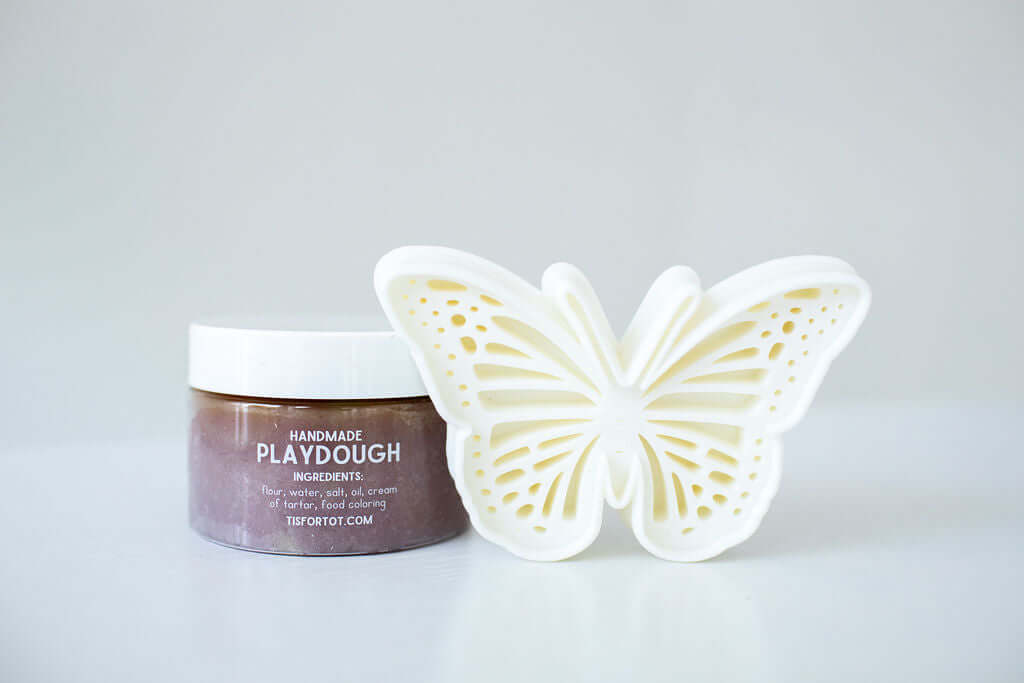
- Form letters out of playdough
- Use a dry erase book so they can practice writing and wipe it clean and start over, as many times as they want
- Stomp, jump, or clap out the syllables in letter names
Keep sessions short
Five minutes of engaged alphabet practice beats 30 minutes of a kid who checked out 10 minutes ago. Follow their lead. When interest drops, stop. Come back tomorrow. Consistency over time matters way more than long sessions.
Use flash cards the right way
Flash cards get a bad reputation because people use them like a quiz. Flip the card, expect the answer, move on. That's not how toddlers work. Instead, use flash cards as a starting point for conversation. "What does this letter look like to you? A snake? A slide?" Let them make associations. The weirder the better, because weird is memorable.
The tools that actually help
You don't need much, but having the right materials makes a real difference. Our Alphabet Dry Erase Book and Marker is one of our most-used products for exactly this reason. Kids can trace each letter, practice writing it, and wipe it clean to start again. No wasted paper, no frustration, just repetition that feels like play.
Pair it with our Alphabet Flash Cards and you've got a simple, low-pressure system for working through all 26 letters at whatever pace works for your kid.
The goal isn't perfection
At this age, the goal is familiarity. You want letters to feel like old friends by the time they get to kindergarten, not strangers they're meeting for the first time. Keep it light, keep it playful, and trust that it's adding up even when it doesn't feel like it.